
How Much Do Home Repairs Really Cost? A Homeowner’s Pricing Guide
How Much Do Home Repairs Really Cost? A Homeowner’s Pricing Guide
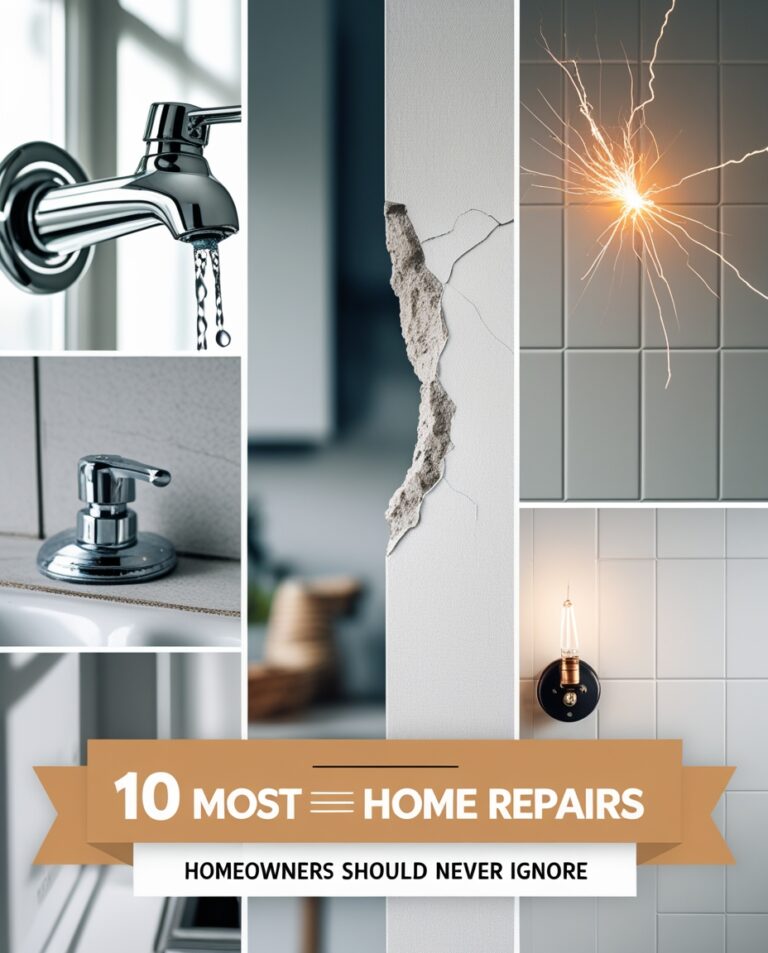
Home repair costs can vary widely depending on the type of work, the materials used, and the region. As a homeowner, understanding typical repair costs helps you budget effectively and make informed decisions about DIY projects versus professional services.
Common Home Repair Costs
Here’s a breakdown of typical home repair costs in the US:
-
Plumbing Repairs:
-
Fixing a leaky faucet: $100–$300
-
Unclogging drains: $100–$250
-
Pipe replacement: $500–$1,500
-
-
Electrical Repairs:
-
Replacing outlets or switches: $100–$200
-
Circuit breaker replacement: $150–$400
-
Wiring upgrades: $1,500–$5,000
-
-
Roof Repairs:
-
Shingle replacement: $300–$1,000
-
Roof leak repair: $400–$1,500
-
Full roof replacement: $5,000–$15,000+
-
-
HVAC Repairs:
-
Air conditioner repair: $150–$800
-
Furnace repair: $200–$1,200
-
Full system replacement: $4,000–$12,000
-
-
Interior Repairs:
-
Drywall patching: $50–$200 per wall
-
Painting: $200–$600 per room
-
Flooring repair: $100–$1,000 depending on material
-
Factors Affecting Repair Costs
Several factors influence repair expenses:
-
Severity of Damage: Minor issues are cheaper to fix, while extensive damage increases costs.
-
Materials Used: Premium materials, like hardwood or high-end tiles, raise the price of repairs.
-
Labor Rates: Labor costs vary by region and the complexity of the work. Urban areas often have higher rates.
-
Emergency Services: After-hours or emergency repairs usually carry a surcharge.
-
Permits and Inspections: Certain repairs, like structural or electrical work, may require permits that add to costs.
DIY vs Professional Costs
DIY repairs can save money but come with hidden costs:
-
Tools and Equipment: Specialized tools may need to be purchased for one-time repairs.
-
Mistakes and Rework: Errors can result in higher expenses than hiring a professional initially.
-
Time Investment: DIY projects consume hours that could be spent elsewhere.
Professional services provide peace of mind and efficiency, often making the upfront cost worthwhile.
Budgeting Tips for Home Repairs
-
Set an Emergency Fund: Allocate 1–3% of your home’s value annually for unexpected repairs.
-
Get Multiple Quotes: Compare estimates from licensed professionals to ensure fair pricing.
-
Prioritize Repairs: Address urgent repairs first to prevent more expensive problems.
-
Consider Preventive Maintenance: Regular inspections and upkeep can prevent costly emergencies.
Conclusion
Understanding home repair costs empowers homeowners to make informed decisions, budget wisely, and choose between DIY and professional services effectively. Planning and prioritization help maintain your home’s value and ensure it remains safe and comfortable.
Home Restoration helps homeowners connect with trusted professionals.